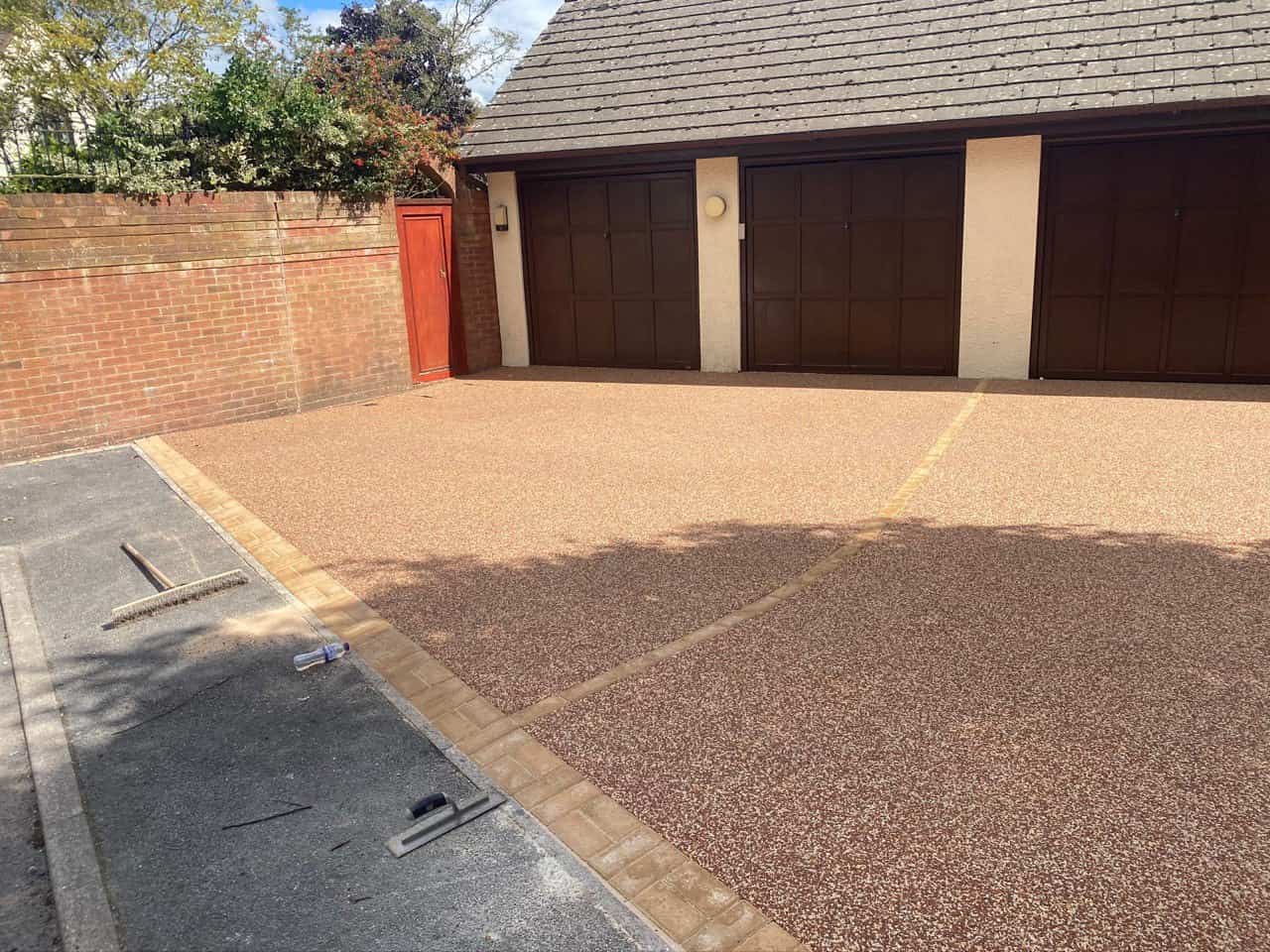
Is Tar & Chip Suitable for Farm Roads That Experience Regular Vehicle Traffic?
Farm roads must cope with demanding conditions. Tractors, trailers, agricultural machinery and delivery vehicles can place repeated pressure on the surface, while mud, rainwater and loose debris make maintenance more challenging. Tar and chip can provide a practical, durable finish for this type of access road, provided the groundwork, drainage and specification are appropriate for the expected traffic.
For landowners in Eastbourne, East Sussex, understanding how the surface performs can help determine whether it is suitable for a particular farm road.
How Tar and Chip Performs on Frequently Used Farm Roads
Tar and chip surfacing is created by applying a hot bituminous binder to a prepared base before covering it with selected stone chippings. The chippings are rolled into the binder, forming a textured and hard-wearing surface.
Unlike loose gravel, the aggregate is held in place rather than being left free to migrate under vehicle tyres. This helps reduce rutting, displaced stone and the formation of loose tracks along the centre and edges of the road.
It Provides Useful Traction
Farm access roads often become wet, muddy or dusty depending on the season. The textured finish of tar and chip can offer dependable tyre grip for vehicles travelling at appropriate speeds.
The choice of aggregate matters. Chippings must be suitable for the intended use and applied evenly to produce a consistent surface. Correct rolling is also essential because poorly embedded aggregate may loosen prematurely under regular traffic.
It Can Withstand Regular Vehicle Movements
Tar and chip can accommodate repeated use by cars, vans, tractors and other agricultural vehicles when installed over a stable, well-compacted base. However, the visible surface is only one part of the road’s construction.
If the underlying ground is soft, uneven or inadequately prepared, heavy vehicles may cause depressions and movement regardless of the surface material. A professional assessment should therefore consider vehicle weights, traffic frequency and existing ground conditions before work begins.
Areas where vehicles regularly turn, brake or remain stationary may require particular attention. These concentrated movements create more stress than vehicles travelling steadily along a straight section.
Good Preparation Is Essential
A durable farm road needs a firm foundation. Preparation may involve correcting weak areas, removing unstable material and compacting the base to create even support.
The road profile should also be shaped correctly. Low spots can collect water, soften the supporting layers and eventually lead to surface failure. Preparing the base properly allows loads to be distributed more evenly and helps the tar and chip finish remain stable.
Applying the material over an unsuitable or badly deteriorated surface is unlikely to produce a lasting result. Existing defects should be addressed rather than hidden beneath the new finish.
Drainage Protects the Surface
Standing water is one of the main threats to any agricultural access road. Water can enter weak points, affect the foundation and contribute to potholes or edge deterioration.
The road should have an appropriate fall so rainwater moves away from the main travelling surface. Verges, channels and surrounding ground must also allow water to escape instead of directing it back onto the road.
Keeping drains and edges clear after installation is an important part of maintaining the surface. A strong road can still deteriorate if water is repeatedly allowed to pool.
Tar and Chip Can Suit a Rural Setting
The natural stone appearance of tar and chip often works well with agricultural surroundings. Different aggregate colours and sizes can be considered to complement the character of the property while still providing a defined, functional route.
Its textured finish can also make mud and light surface debris less visually prominent than they might be on a very smooth, uniform surface. Regular cleaning remains worthwhile, particularly where mud could obstruct drainage or conceal developing defects.
Where Extra Planning May Be Needed
Not every part of a farm road experiences the same level of wear. Gateways, loading points, tight bends and entrances used by heavy machinery are often exposed to greater stress.
A suitable installation should account for:
- The type and weight of vehicles using the road
- How frequently the route is used
- Turning and braking areas
- The stability of the existing base
- Surface water movement
- The condition of road edges
- Access requirements throughout the year
Considering these factors allows the road to be prepared and surfaced according to its actual use rather than treated as a standard driveway.
Maintaining a Tar and Chip Farm Road
Routine attention can help keep the road dependable. Mud and organic debris should be removed before they obstruct drainage, while road edges should be kept supported and clearly defined.
Small areas of damage should be assessed promptly. Early attention can prevent water and vehicle movement from enlarging a minor weakness. It is also sensible to monitor frequently used turning areas, as these may show wear before straighter sections of the road.
Conclusion
Tar and chip can be a suitable surface for farm roads that experience regular vehicle traffic. Its textured finish, bonded aggregate and rural appearance make it well suited to agricultural access, but its performance depends heavily on ground preparation, drainage and a specification matched to the vehicles using the route.
Eastbourne Driveways provides professional tar and chip surfacing services in Eastbourne, East Sussex. If you are considering improvements to a farm road or agricultural access, contact our team to arrange an assessment and discuss a suitable approach for the site.
Call us on: 01323 403 295
Click here to find out more about Eastbourne Driveways
Click here to complete our contact form and see how we can help with your Driveway needs.